Innovate with Travel Trends

Our world is constantly changing and evolving. What consumers are doing, how they're traveling, what they like, all play into how we can attract them to explore with us. We're here to help you look ahead at the evolutions of travel so you can harness new and evolving trends with creative travel marketing.

Trend Highlight


From Page to Place: The Power of Literary Tourism

A growing number of travelers are choosing destinations the same way they choose their next great read. Literary tourism—the practice of visiting places connected to books, authors, and stories—is continuing to gain momentum. According to Skyscanner's Travel Trends 2026 report, 55% of travelers have booked—or would consider booking—a trip inspired by literature.

The rise of "Bookbound" travel reflects a growing appetite for slower, more immersive experiences that connect visitors to a destination's culture, history, and identity.
For tourism marketing, the opportunity lies in creating those moments where story and place intersect:
  • Develop book-based itineraries that map key locations from a novel or an author's life.
  • Partner with authors, historians, and local storytellers to create authentic connections to place.
  • Launch destination book clubs that engage both visitors and residents.
  • Create downloadable reading guides or themed trails that support self-guided exploration.
  • Integrate storytelling into guided tours to add context, character, and a stronger sense of place.
The goal is not to recreate a book exactly, but to translate its essence into an experience that feels authentic, accessible, and rooted in the destination. Travelers should feel invited into the story, while still having the freedom to discover their own version of it.

Beverage Trends

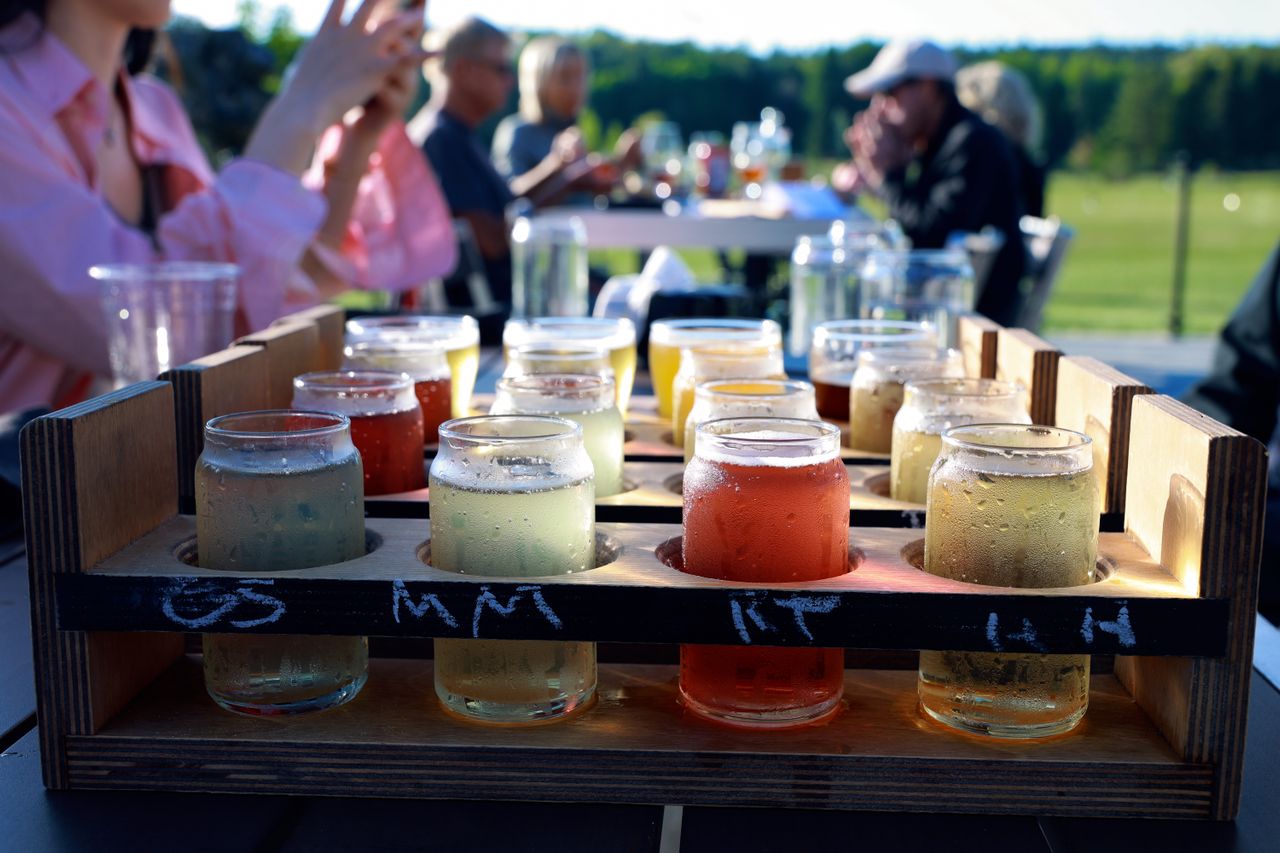
Beverage trends are shifting rapidly across wine, beer, spirits, and craft cider, changing how visitors want to taste, sip, and explore. Political and economic changes, along with the rise of the sober curious and wellness movements, are influencing expectations—and we’re seeing it firsthand wine trails, destinations and craft beverage clients. Today’s travelers want more than traditional tastings—they seek immersive opportunities that connect them with local culture, craftsmanship, and the story behind each sip, reflecting the ongoing trend of experiential travel. 

Here are just a few ways to seize these opportunities through creative marketing and itinerary design: 

  • Collaborate across producers: Design multi-stop tours that showcase non-alcoholic options and immersive experiences, like vineyard or orchard tours, behind-the-scenes production access, or Q&A sessions with artisanal makers. 
  • Tell the local story: Highlight multi-generational makers, crossover producers (like a winemaker exploring cider), or recent national recognition for your region. Sharing these stories builds connection and credibility with visitors. 
  • Integrate wellness and seasonal experiences: Offer themed tasting trails like “Mindful Sips,” to include wellness stops, or partnerships with local spas, farms and artisanal food producers. 
  • Host interactive workshops: Mixology, wine blending, cider pressing, or food-pairing classes where visitors participate hands-on, creating a personal connection to the product. 
  • Create limited-time or pop-up events: Seasonal festivals, harvest celebrations, or immersive tasting nights where guests explore multiple beverages through storytelling, sensory activities, and hands-on participation, generating urgency and shareable experiences. 

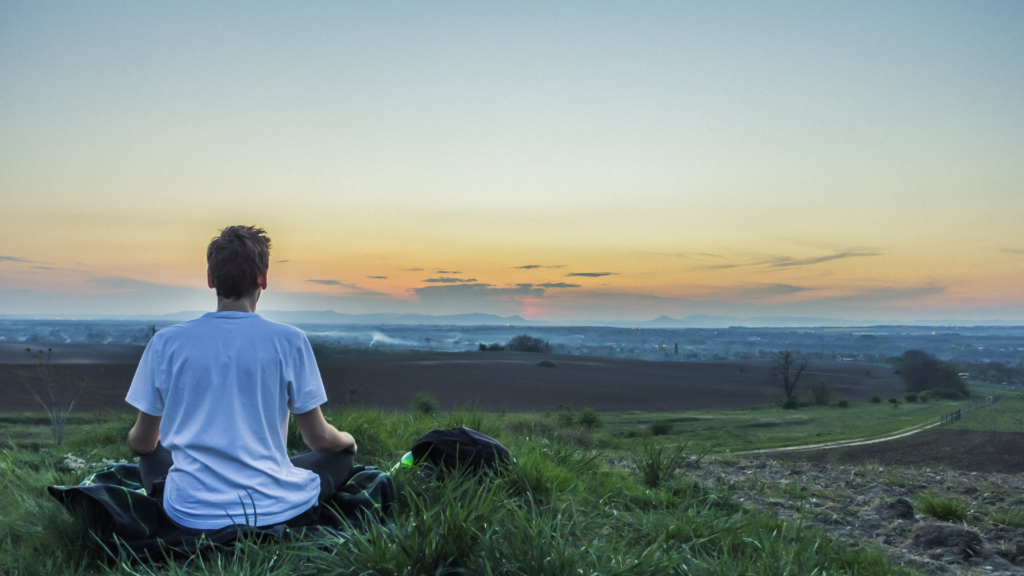
The Rise of Noctourism: Why Travelers Are Chasing the Night 

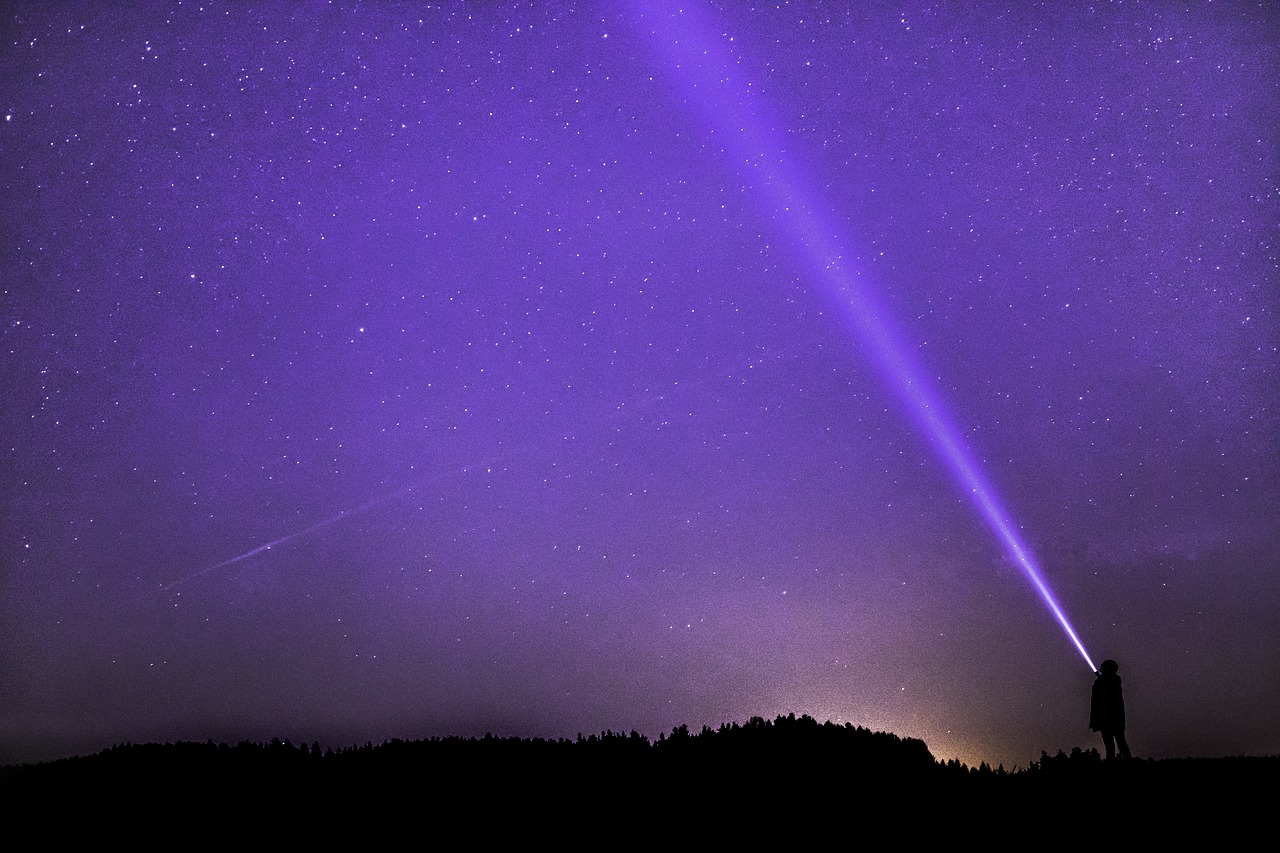
A growing trend is shining a light on the dark—noctourism.

Activities after dark—stargazing, night safaris, celestial events—are becoming major draws, with travelers seeking destinations with low light pollution and creative nighttime programming.

Visitors are craving experiences that blend atmosphere, storytelling, and sensory connection. For destinations and attractions, noctourism offers creative ways to extend visitation hours, diversify programming, and reveal new sides of familiar places. Here are a few examples of opportunities to create immersive, unforgettable moments:

  • Ghost tours
  • Lantern-lit trails
  • Moonlight yoga
  • Evening bike rides
  • After-dark city and architecture tours
  • Pairing local food and drink with night-sky events
  • After-dark history tours
  • Framing wellness through moonlit experiences

Noctourism isn’t just about the dark—it’s about inviting travelers to discover a destination in a whole new light. 

The Rise of “Slow Work Travel”

For years, we’ve seen leisure travelers lean into the art of slowing down—choosing immersive experiences over jam-packed itineraries, and savoring the journey as much as the destination. Now, that same slow-travel mindset is taking root in business travel too.

More companies are approaching travel with greater intentionality—not just in how trips are planned, but in what they’re designed to accomplish. This shift is opening the door to richer storytelling opportunities, especially for destinations and partners who serve both leisure and business segments. As marketer Ann Handley mentions in this article, it's not a one-size fits all approach. For some, the priority is taking a late flight so they can get home to their kids sooner. For others, it's skipping the late nights/early mornings so they can arrive rested.

We've seen this already with travel PR and influencer marketing. Writers visiting for a story want more time in their itinerary to linger, find story angles, and take a breath. They're also requesting their preference on seats, boarding group, and add-ons. Something to keep in mind as we build our media budgets.

This slower pace fosters better relationships, deeper stories, and more meaningful ROI for both the traveler and your community. When you give people more time in your place, you give them more reasons to come back.

Sweat Jetting

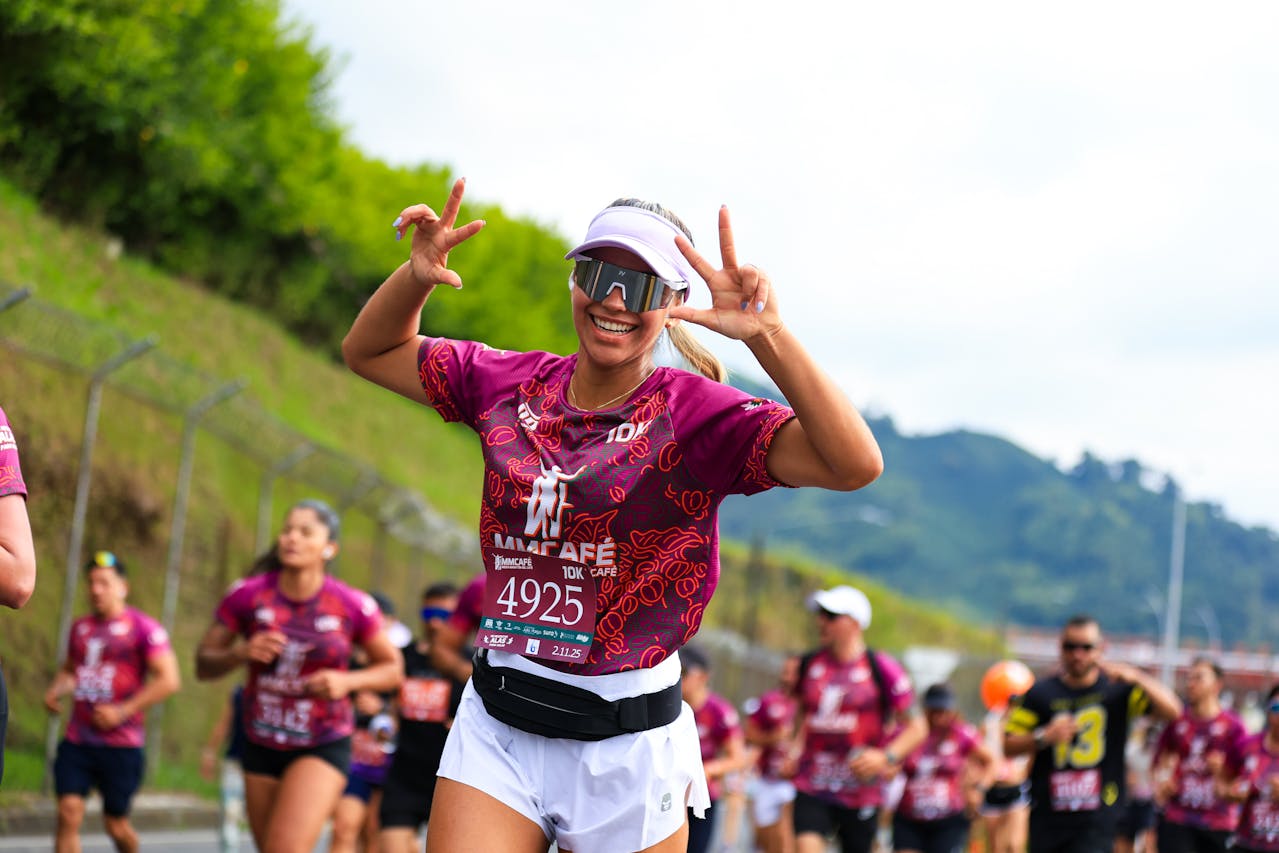
Forget slowing down on vacation—today’s travelers are lacing up. “Sweat jetting” is the rise of endurance-driven travel, where trips are built around marathons, cycling routes, multi-day hikes, or high-intensity wellness retreats.

From “race-cations” in iconic global cities to immersive adventure itineraries, travelers are seeking experiences that challenge the body as much as they inspire the mind. These travelers are motivated, community-driven, and often extend their stays—making them a high-value audience for destinations.

This shift reflects a broader move toward purpose-led travel, where achievement, connection, and personal growth take center stage.

The opportunity here goes beyond hosting events. Think curated training itineraries, partnerships with local fitness communities, recovery and wellness add-ons, or storytelling that highlights your destination as a place to push limits and achieve personal goals. By tapping into endurance travel, destinations can position themselves not just as places to visit—but as places to accomplish something meaningful.

Active Sports Tourism

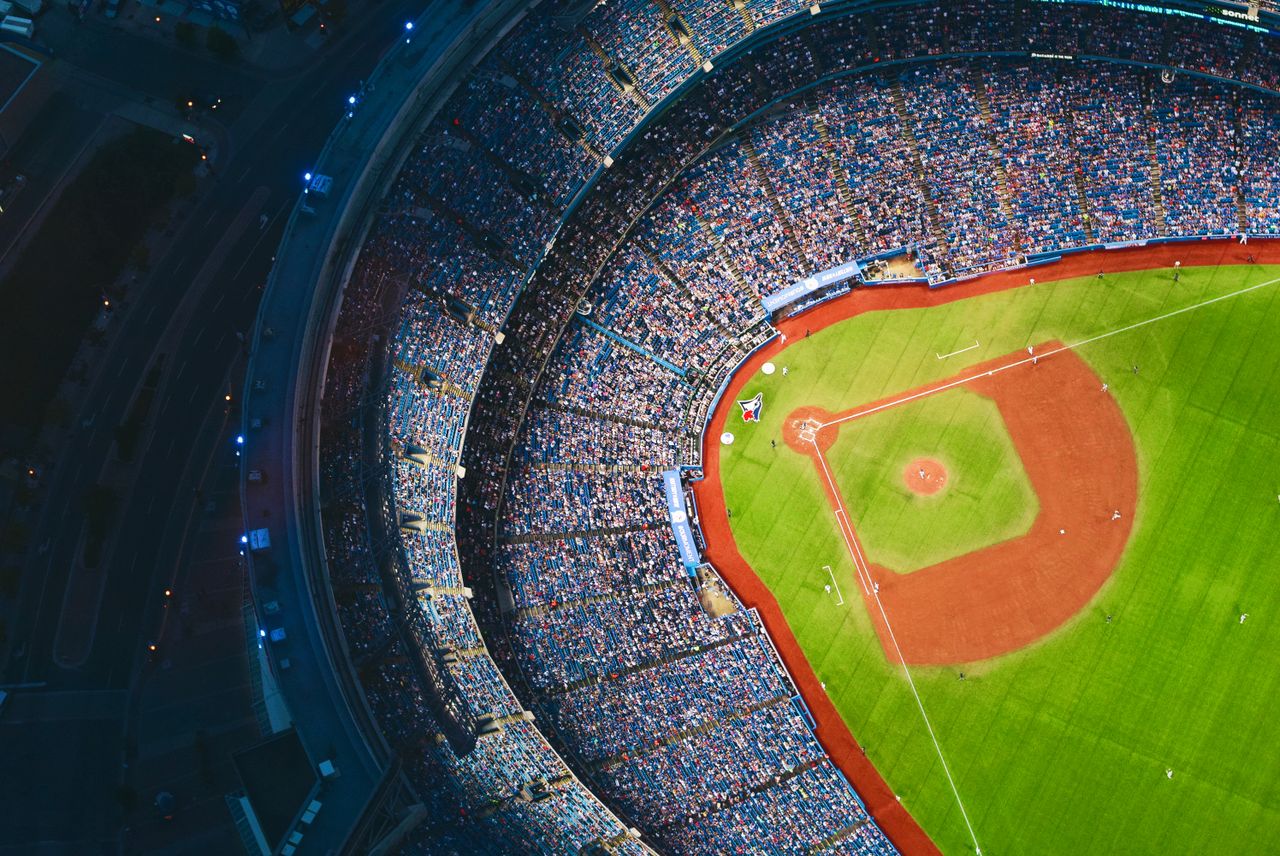
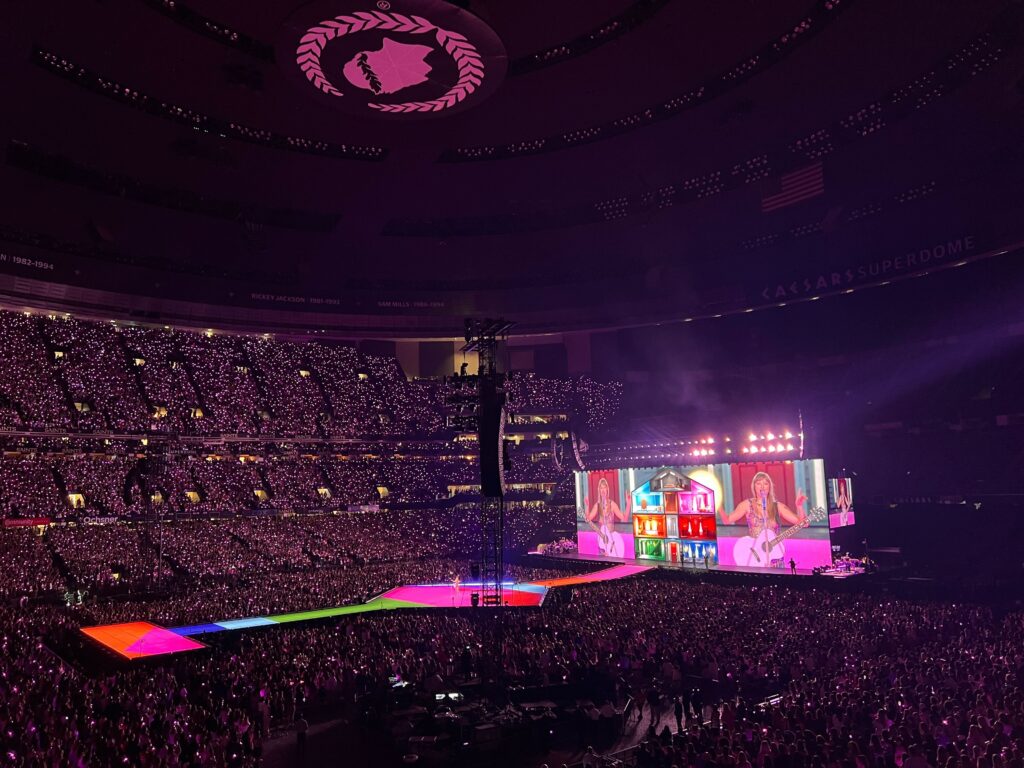
We all know that with major events like the FIFA World Cup coming to North America and the Super Bowl heading to Los Angeles, sports travel is surging. But the bigger shift isn’t just in what people are watching—it’s in what they want to do. As Condé Nast Traveler notes, fans are no longer content to sit in the stands—they want to get off the bench and play. This means sports tourism is no longer only about hosting marquee events—it’s about turning local recreation assets into reasons to visit with experiences that feel immersive, social, and energizing.

For destinations, the opportunity lies in how you translate this shift into the visitor experience. Here are a few ways to approach it:

  • Turn recovery into part of the trip. Sports travelers do not just remember the field or trail; they remember the breakfast spot after the ride, the brewery after the game, and the hotel that made the whole trip easy.
  • Add a participation hook. Create reasons to visit around races, clinics, tournaments, challenge weekends, or guided outings.
  • Think beyond the obvious sports audience. Families, wellness travelers, and groups of friends often fit this trend just as well as athletes do.
  • Market the feeling, not just the facility. Show the energy, the scenery, the movement, and the community that comes with being active in your destination.

More than anything, this is about reframing sports tourism as an experience category, not just an event category. Destinations that can market themselves as places to participate—not just spectate—will be better positioned to capture a growing share of travelers who want their trips to be active, memorable, and worth planning around.

Ready to capitalize on these trends?

Schedule a consultation to explore how these emerging trends can create new opportunities to attract visitors, expand your audience and improve your tourism marketing results.