Annual Planning for Tourism Businesses and Organizations
As we approach a new year, many of us in the tourism industry are deep in budgets, goals, and project wrap-ups. I’m right there with you. This time of year always sparks reflection for me — not just on what we accomplished, but on how we’re preparing our organization for the year ahead.
Annual planning doesn’t have to feel overwhelming. When approached with intention, it becomes a powerful opportunity to align your team, respond to industry trends, and set a clear path forward.
Here’s how I approach annual planning and how you can adapt these ideas for your own business as we look toward 2026.
Prefer audio learning? Listen to my podcast episode on annual planning for 2026!
Why Annual Planning Matters More Than Ever
Tourism has always been shaped by change — but in recent years, the pace has accelerated. Strategic planning helps us shift from reacting to anticipating.
A few big forces shaping our work today:
- Traveler expectations are evolving, with demand for meaningful, authentic, and off-the-beaten-path experiences.
- Sustainability and regenerative thinking have moved from “nice to have” to “must have.”
- Workforce challenges persist, making culture and retention central to organizational success.
- Technology continues to advance, while simultaneously, we see a desire among travelers to unplug and be present.
When we plan ahead, we set the stage to move intentionally instead of being pulled by what’s urgent.
Start with Reflection: Your Foundation for Planning
Before we jump to what’s next, we have to understand where we are.
Here are the questions I start with every year:
- What did we accomplish this year?
- What enabled our accomplishments?
- Are we meeting our goals?
- How is the team doing?
I also reflect on myself as a leader- personally and professionally. Am I showing up the way I want to? Am I stretched too thin? What do I need to be at my best?
These aren’t just feel-good questions. They directly inform priorities, investments, and decisions moving into 2026.
Future Readiness: Trends to Watch in 2026
Each year, I spend time scanning trends across the industry — research, associations, peer groups, and the hundreds of conversations I have through our work.
What’s rising to the surface for 2026?
Sustainability and Regenerative Tourism
Travelers increasingly want experiences that do good as well as feel good. They expect destinations and businesses to operate responsibly.
Workforce + Culture
Retention matters just as much as recruitment. Strong culture is becoming a competitive advantage.
Technology, AI, and Experiential Shifts
Yes, AI and personalization are evolving how we market and engage. But there’s also a growing desire for slower moments, less screen time, and deeper presence.
Demand for Meaningful, Non-Touristy Experiences
Travelers continue to seek connection — to place, people, and purpose.
Knowing which trends matter most will help shape your 2026 priorities.
Read more about travel trends or listen to the Destination on the Left podcast for industry conversations on this topic and so much more!
Ask Bold Strategic Questions
Once I’ve reflected and reviewed the trends, I push myself to go deeper. This is where my peer group has been invaluable — we ask each other tough questions that unlock bigger thinking.
Try asking yourself:
- What is the biggest threat to your organization’s growth over the next three years?
- How are you adapting to changing customer needs and industry shifts?
- What bold moves or investments are worth considering now to secure long-term success?
These questions pull you out of the weeds and help you build a forward-focused lens.
Ground Your Annual Plan in Financial Reality
This is where planning becomes practical.
I review:
- Revenue projections
- Sales pipeline strength
- Ratios like staff-to-revenue and overhead-to-revenue
- Resource gaps or skill sets we’ll need to add
The goal isn’t just to forecast numbers but to answer the bigger question:
Do we have what we need to achieve what we want?
What resources will we need to accomplish what we want in 2026? Do we have the people, the skills, the partnerships in place? Where do we need to invest?
For tourism organizations, this might look like examining:
- Funding sources
- Visitor numbers
- Membership retention
- Fundraising goals
- Marketing ROI
Annual planning is strongest when it’s anchored in data.
Engage Your Team: Bottom-Up Planning Works
One of the most impactful shifts we made this year was adopting a bottom-up planning process. Instead of the leadership team dictating priorities, each department builds its own plan, which then rolls up into the organization-wide goals.
Departments outline:
- Their purpose
- Their vision for growth
- Key accomplishments from the year
- Goals and initiatives for 2026
This approach increases ownership and alignment. When people shape the plan, they’re far more invested in delivering it.
An annual strategy retreat — even a half-day version — can bring these plans to life, strengthen culture, and reset the team for the year ahead.
Plan for Collaboration
Collaboration is one of the themes I’m passionate about, and our research continues to reinforce its power. But here’s the truth:
Collaboration succeeds when it’s intentional — not when it’s left to chance.
The most successful organizations create systems around collaboration:
- Set goals up front
- Define roles and responsibilities clearly
- Schedule regular check-ins
- Document the process (only 18% do this, but those who do see better results)
- Hold post-mortems to learn and improve
Beyond the process itself, collaboration must be:
- Budgeted for
- Aligned to mission and values
- Connected to financial or visitation goals
- Supported through training in listening, communication, and flexibility
And of course — you need a process to identify and evaluate partners. Tools like collaboration filters (grab one in our Collaboration Toolkit) can help teams choose partnerships more strategically.
Bringing It All Together: A Holistic Approach to Annual Planning
When you integrate:
- Reflection
- Trend insights
- Financial benchmarks
- Team-driven planning
- Intentional collaboration
…you create a plan that’s grounded, strategic, and energizing.
Annual planning isn’t just about deciding what you’ll do in 2026. It’s about building a roadmap that positions your organization to thrive, adapt, and make meaningful impact — no matter what the year ahead brings.
Annual Planning Checklist for Tourism Leaders
Here’s a quick recap to guide your planning:
- Schedule time for personal and organizational reflection
- Ask strategic questions about risk, opportunity, and growth
- Review industry trends and identify which matter most
- Ground your decisions in financials and resource needs
- Involve your team in shaping the vision and goals
- Build collaboration into systems, budgets, and processes
And here’s your reflection question for the year ahead:
What role will collaboration play in your 2026 plan — and how will you operationalize it so it drives real results?
Related Posts
Creating a Strategic Travel and Tourism Marketing Plan: A Step-by-Step Guide
Strategic marketing is about attracting the right people, at the right time, with the right message. A clear, strategic marketing plan is your blueprint for…
What is Accessibility in Tourism?
Travel is an incredibly life-enriching and rewarding experience, yet it is still inaccessible to many people. About 15 percent of the world’s population live with…
Collaboration Toolkit
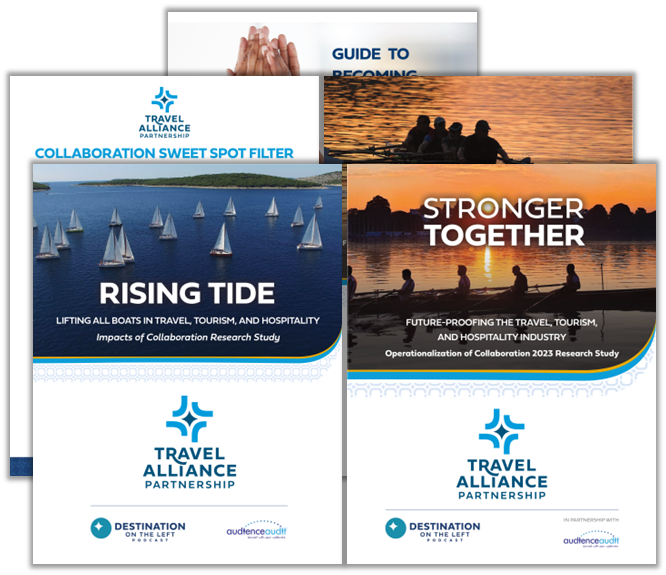
Our first research study confirmed that collaboration is a constant in the travel, tourism and hospitality industry. It is not a matter of if, but when and how, organizations will collaborate together. Our latest study reveals how organizations are putting collaboration into operation and how they are setting up systems and processes so that collaboration becomes a strategic part of the organization.
"*" indicates required fields