Proactive vs. Reactive PR: Why Both are Essential to Your Public Relations Strategy
A strong public relations strategy isn’t built on a single tactic. It’s built on a mindset.
Some opportunities are planned months in advance through strategic outreach and relationship building. Others appear unexpectedly – a journalist needs a source, a story begins trending, or a partner reaches out with an opportunity. Knowing how to balance both is what separates a good PR program from a great one.
Public relations generally falls into two categories:
- Proactive = creating opportunities.
- Reactive = recognizing and acting on opportunities.
Both have an important role to play in helping destinations build awareness, establish credibility and generate meaningful earned media.
Let’s look at how each plays a role.
Proactive Public Relations
You are your organization’s greatest advocate. With proactive public relations, you get to identify and tell the stories that you want to share – the ones that make your destination or attraction unique, compelling, and different. Proactive PR is what most people consider when building a communications strategy. It’s about taking the initiative, finding the right audiences and developing relationships that lead to meaningful coverage and brand awareness.
Pitching & Active Outreach
This is frequently the bulk of a proactive public relations strategy and often the highest investment of your time. Start by developing media themes and angles that focus around the stories you want to tell, then break them down by month or season based on timing, travel trends, holidays, anniversaries or other newsworthy moments that add value.
Once you have your content goals outlined, actively identify media contacts, publications and influencers that may be interested in a particular topic, such as:
- an outdoor publication interested in learning about a new trail system
- a food writer for a story about BBQ hotspots
- a family-focused influencer to experience a new ropes course
Before you even send the pitch, ask yourself two questions: What action do you want the journalist to take? And ultimately, what action do you want the reader to take after seeing the story?
Active and individualized outreach allows you to pique the writer’s interest and develop stories that benefit both the publication and the destination.
News Distribution
Press releases remain an important proactive tactic, but only when there’s actually news to share. Announcements, anniversaries, grand openings, new attractions, research findings, awards and major milestones all provide opportunities to tell your story. While many releases naturally receive local or regional coverage, big announcements or groundbreaking news can attract national attention as well. Think of a press release as one tactic within a larger communications strategy, not the strategy itself.
Positioning Yourself as an Expert
Not every PR opportunity has to be about promoting your destination or attraction. Consider ways your organization’s leaders can contribute to the larger conversation. Speaking at conferences, appearing on podcasts, contributing guest articles, submitting award nominations or publishing original research can all help establish your organization as a trusted voice. While these opportunities may not immediately drive visitation, they build credibility, strengthen your reputation and often lead to future media opportunities.
Strategic Partnerships
Building strong relationships with other organizations creates opportunities that neither of you could secure alone. This could be through your local DMO, regional tourism organization, statewide tourism office, attractions, neighboring destinations or niche industry collaborations. Partnerships frequently create opportunities to participate in larger storylines that may have been difficult to secure independently. They also expand your network, introduce your destination to new media contacts and increase the number of people actively telling your story.
Media Shows & One-on-One Conversations
Relationships are still the foundation of good public relations, and face-to-face conversations continue to open doors that emails alone often cannot. Media shows and one-on-one conversations remain one of the best ways to begin relationships with media members you haven’t yet worked with. Seek out events in your target geographic markets or those focused specifically on the travel industry, and coordinate appointments to connect with fresh faces (and some familiar ones!). Arrive prepared with timely story ideas—not just destination brochures.
While traditional deskside appointments are a bit more hit-or-miss these days, that doesn’t mean one-on-one conversations have gone away. In fact, many media relationships now begin with a quick 30-minute virtual coffee or introductory call. These conversations provide an opportunity to get to know each other, better understand a journalist’s interests and audience, and brainstorm story ideas that are mutually beneficial.
Reactive Public Relations
With reactive public relations, it’s less about seeking opportunities and more about responding thoughtfully to those that come your way. Reactive PR may feel like a “sit back and wait” approach when in reality, successful reactive public relations requires just as much preparation. You need to know who should respond, what your key messages are, where your supporting assets live and how to position your organization as a trusted resource – often within just a few hours.
Capitalizing on Timely Opportunities
One of the fastest ways to earn media coverage is by connecting your expertise to conversations that are already happening. Whether it’s a trending travel topic, breaking news, changing legislation, a major weather event, economic report or cultural moment, journalists are often looking for credible voices who can provide context or local perspective. The organizations that respond quickly with thoughtful insights rather than promotional messaging are often the ones that become part of the story.
Journalist Request Platforms
Travel journalists are looking for story ideas and expert sources every day. Platforms like TravMedia, HARO (Help A Reporter Out), HERO (Help Every Reporter Out), Source of Sources (SOS) and Qwoted help connect journalists with destinations, organizations and subject matter experts. And don’t overlook Substack. Many independent travel journalists now publish newsletters where they share upcoming editorial themes, ask subscribers for recommendations or seek sources for stories in progress. These types of opportunities move quickly, often with just a few-day turnaround, so monitoring them consistently and responding promptly is essential.
Finding opportunities to contribute to a larger narrative or position yourself as an expert source not only earns coverage but can also introduce you to new journalists and audiences you may not have otherwise reached.
Social Listening
Not every media opportunity arrives in your inbox. Many journalists now source destinations, interview subjects and story ideas directly through LinkedIn, Instagram, Facebook Groups and other social platforms. If you’re following the right reporters and paying attention to the conversations happening within your industry, you may spot opportunities before they ever become formal media requests.
Social listening isn’t just about finding media opportunities. It can also help you understand how people are talking about your destination, identify emerging issues before they become larger challenges and uncover questions that deserve proactive communication. It may also identify emerging trends that may inspire future story ideas.
Past Media Relationships
Your previous media contacts are often your best future opportunities. Cultivating a media list is never a one-and-done exercise. Journalists change their focus, publications evolve and story ideas continue to emerge. Staying on their radar through a monthly or quarterly email with timely updates, story ideas or an “inside look” at what’s happening in your destination keeps the relationship warm between assignments.
Then, when writers return looking for interviews, updated information, photography or another hosted visit, respond quickly and make the experience easy. You’ve already built trust, and that trust often leads to more candid conversations, additional story ideas and repeat coverage.
The Best Public Relations Strategy
So should you prioritize proactive outreach or reactive opportunities? The best PR strategy is to embrace both.
Proactive PR allows you to shape the stories you want to tell and build the relationships that support your long-term goals. Reactive PR helps you capitalize on timely opportunities, demonstrate your expertise and stay part of the conversations happening around your industry.
The two aren’t competing strategies; they work together. In fact, the strongest reactive PR often begins with proactive preparation. The more intentional you’ve been about building relationships, refining your messaging and understanding your story, the better positioned you’ll be when opportunity comes knocking.
Here are some additional resources to help you build a strong tourism public relations strategy:
- Practical Travel PR Workshop Replays on Barcelona Principles and Influencer Marketing Strategy
- Destination on the Left podcast episode #105: Doing PR Like a Method Actor, with Nancy Marshall
- Destination on the Left podcast episode #438: Earned Media Essentials for Tourism Marketers
- Marketing and PR Strategy with the PESO Model
Author
Related Posts
The Art of Strategic Positioning for Attracting More Visitors
I often hear people talk about writing with the premise that you start by “staring at a blank screen,” but a blank screen is rarely…
Collaboration Toolkit
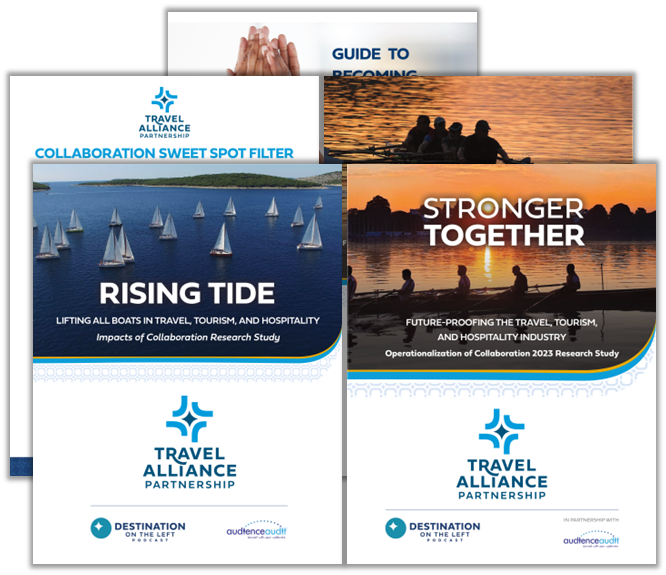
Our first research study confirmed that collaboration is a constant in the travel, tourism and hospitality industry. It is not a matter of if, but when and how, organizations will collaborate together. Our latest study reveals how organizations are putting collaboration into operation and how they are setting up systems and processes so that collaboration becomes a strategic part of the organization.
"*" indicates required fields