How Literary Tourism Turns Readers Into Travelers
At its core, literary tourism connects stories to place. It invites travelers to step into the worlds they’ve read about, to walk the same streets as characters, and to experience destinations through a narrative lens. From tracing Hemingway’s Paris to exploring the landscapes that inspired Tolkien, this form of travel has long existed.
Today, it aligns perfectly with what modern travelers are seeking: depth, meaning, and connection.
Literary tourism is a key trend for niche travel, and it offers destinations a strategic way to turn existing assets—history, culture, and place—into compelling, bookable experiences that resonate more deeply with visitors.

What Is Literary Tourism
Literary tourism is travel inspired by books, authors, and storytelling. It includes visiting places featured in novels, exploring locations tied to an author’s life, or experiencing destinations through a narrative that brings their history and culture to life.
At its best, literary tourism transforms a destination from a location into a story. Instead of simply visiting a place, travelers engage with it through narrative, experiencing each site as part of something larger and more meaningful.
They don’t just see a destination. They connect deeply with it.
This shift matters because traveler expectations have changed. Visitors are increasingly drawn to experiences that feel personal and immersive, where they can understand the “why” behind a place, not just the “what.” Literary tourism naturally delivers on that expectation by layering meaning onto both well-known attractions and the lesser-known places that bring a story to life.
For the tourism industry, this creates tangible benefits. Experiences rooted in story tend to encourage longer stays, deeper exploration, and stronger emotional connections across the visitor journey.
From Page to Place: Why Stories Drive Travel Decisions
On episode #426 of Destination on the Left, author Marilyn Higgins shared how her historical novel Dreams of Freedom was rooted in a desire to bring attention to upstate New York and the Erie Canal’s overlooked role in shaping the United States.
Her approach wasn’t just about telling a compelling story.
It was about anchoring that story in real places, real history, and real experiences. That’s where literary tourism becomes powerful.
When readers connect with a character or storyline, that connection often extends to the setting itself. The destination becomes more than a backdrop; it becomes something they want to experience firsthand. Higgins describes this as weaving a story into a place in a way that enriches both. Her ambition is to make her protagonist as synonymous with the Erie Canal as Anne of Green Gables is with Prince Edward Island.
Stories like these shape intent and influence how travelers choose where to go.
Literary Tourism as the Ultimate Slow Travel Experience
Literary tourism also aligns naturally with the rise of slow travel. Instead of rushing through a checklist of attractions, travelers linger, read, reflect, and explore with purpose.
This creates space for richer itineraries that prioritize immersion and meaning. Travelers are not just consuming a destination; they are engaging with it on a deeper level, which often leads to more memorable and satisfying experiences.
A Real-World Model: Building Literary Tourism Around a Destination
Marilyn Higgins didn’t stop at writing a novel. She actively built a bridge between her story and the destination itself, creating tools that encourage readers to take the next step and visit.
One example is a 20-page guide designed for book clubs, which invites readers to travel along the Erie Canal and experience the locations featured in the story. The concept is simple but effective: take the narrative off the page and into the real world, giving travelers a clear path to follow.
The result is a more connected experience.
Communities along the canal become part of a cohesive journey, where visitors can follow the path of the main character while exploring historic towns, abolitionist landmarks, and cultural sites that reflect the novel’s themes.
Turning a Story into an Itinerary
A strong literary tourism experience translates story elements into physical touchpoints. In the case of the Erie Canal, that might include visiting sites tied to the abolitionist movement, exploring canal towns that reflect 19th-century life, and engaging with museums or cultural institutions that bring the story’s themes to life.
Each stop becomes more meaningful because it connects back to the narrative.
Instead of isolated attractions, travelers experience a continuous journey shaped by story. This is where literary tourism becomes tangible—a novel becomes an itinerary, and a storyline becomes a route.
How to Activate Literary Tourism
Literary tourism is most effective when it’s activated collaboratively. It requires alignment between destinations, storytellers, and the businesses that bring experiences to market.
Higgins points to an example with Visit Buffalo, which incorporated her book into a book club designed to engage tourism partners. This initiative goes beyond promotion. It creates a shared understanding of the destination’s story among those responsible for selling and marketing it.
That kind of alignment matters.
When everyone is telling the same story in complementary ways, the destination feels more cohesive, more compelling, and easier for travelers to engage with.
Practical Ways to Build Literary Tourism Experiences
There are several ways destinations and travel businesses can begin to activate literary tourism in practical, scalable ways:
- Develop book-based itineraries that map key locations from a novel or an author’s life
- Partner with authors and storytellers to create authentic connections to place
- Launch destination book clubs that engage both locals and industry partners
- Create downloadable guides or themed trails to support self-guided exploration
- Integrate storytelling into guided tours to add depth and context
The goal is not to replicate a book exactly, but to translate its essence into an experience that feels accessible, engaging, and rooted in place.
Designing Literary Tourism Experiences That Resonate
The most effective literary tourism experiences go beyond surface-level connections and focus on immersion. That starts with authenticity, ensuring the story feels genuinely tied to the destination rather than layered on as an afterthought.
It also requires thoughtful design. Travelers should feel guided but not restricted, with opportunities to explore at their own pace while still connecting to the narrative.
Making the Experience Feel Personal
Higgins shared a simple but powerful example from her own travels. While visiting Savannah, she read Midnight in the Garden of Good and Evil in the very squares where the story takes place.
It changed the experience entirely.
That’s the power of literary tourism. When travelers engage with a story in the place where it unfolds, the destination becomes more vivid, more emotional, and more memorable. For travel professionals, this means designing experiences that create those moments of intersection between story and place.
Where Literary Tourism Goes Next
Literary tourism remains an underutilized strategy, but its potential is clear.
Every destination has stories to tell. Some are already written, while others are waiting to be uncovered and shared in new ways.
As Higgins’ work demonstrates, even a single novel can open new pathways for destination marketing and product development. It can inspire itineraries, spark partnerships, and offer a fresh way to engage visitors.
For an industry focused on differentiation and connection, literary tourism offers both. The opportunity now is to look at your destination not just as a place, but as a story—and start inviting travelers to step inside it.
Related Posts
Workforce Development Is Everyone’s Job
Since I have been working in the tourism industry, workforce development has been part of the conversation. Earlier in my career, much of the focus…
Collaboration Toolkit
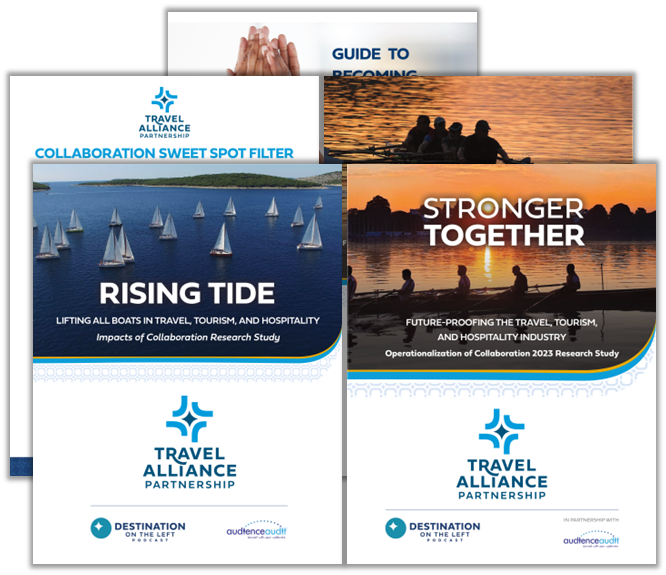
Our first research study confirmed that collaboration is a constant in the travel, tourism and hospitality industry. It is not a matter of if, but when and how, organizations will collaborate together. Our latest study reveals how organizations are putting collaboration into operation and how they are setting up systems and processes so that collaboration becomes a strategic part of the organization.
"*" indicates required fields