The Ins and Outs of Influencer Agreements for Tourism Marketing
If you’ve worked with influencers before, you’ve likely learned that no two partnerships are exactly alike. Some are simple hosted experiences. Others are paid campaigns with very specific deliverables. And as influencer marketing continues to evolve, so does the need for clearer expectations on both sides. That’s where an influencer agreement comes in.
TAP has been working with content creators in the travel and tourism space for nearly a decade. Over the years, our influencer process, and our agreement, has evolved alongside the industry.
What hasn’t changed is the goal: to protect everyone involved while setting partnerships up for success.

Why (and When) You Should Use an Influencer Agreement
Influencer marketing often lives in the gray area between earned and paid media.
Sometimes you’re inviting a creator to experience your destination in hopes of organic coverages. Other times, you’re paying for specific posts, photos, videos, or blogs.
Regardless of how money – or trade value – is exchanged, an influencer agreement helps clarify expectations. It ensures everyone is aligned on deliverables, timelines, usage rights, approvals, and compensation before the trip begins or the content is created. And it holds both sides accountable beyond a verbal understanding or email handshake.
We recommend at least having a Statement of Work in place for every influencer collaboration – and a full influencer agreement when:
- Payment is involved
- Content will be used by the brand beyond social sharing (such as in digital advertising, marketing materials, etc.)
- The campaign carries reputational, safety, or compliance risks
- Multiple deliverables or platforms are required
An agreement isn’t about limiting creativity. It’s about preventing confusion, protecting relationships, and avoiding uncomfortable conversations down the line.
FTC Compliance: Let’s Get Serious For a Moment
Beyond aligning expectations, influencer agreements also play an important role in compliance. The Federal Trade Commission (FTC) has continued to increase its oversight of influencer marketing – specifically around proper disclosure and the claims being made in sponsored content. As a result, brands, destinations, and agencies can no longer rely on an influencer to “know the rules” or assume that a quick verbal reminder is enough.
The reality is that the FTC is extending more accountability to the organizations overseeing influencer partnerships. That means brands and agencies are expected to have systems in place to manage, monitor, and, when necessary, correct content before and after it’s been posted. A clear influencer agreement – paired with a well-defined Statement of Work – helps establish those expectations upfront and gives you a process to fall back on if something needs to be addressed.
What to Include in an Influencer Agreement
While every organization’s agreement will look a little different (and should always be reviewed by your legal team), most influencer agreements cover similar ground. We’ve worked with our legal team to draft agreement templates that stay relatively consistent from partnership to partnership. However, we always allow room for flexibility with content creators, identifying solutions that are fair and satisfy everyone’s interests.
The following key components form the backbone of the agreement, with the campaign-specific details living in the Statement of Work:
- Engagement & Parties Involved: Clearly state who the agreement is between – whether that’s the brand and influencer, or an agency acting on the brand’s behalf and influencer.
- Content Approval: Outline whether content must be reviewed prior to posting. This isn’t about changing the influencer’s voice, but ensuring accuracy, brand alignment, and adherence to any safety or legal guidelines.
- Compensation & Payment Terms: Spell out what the influencer will receive (payment, hosted experiences, or both); who is responsible for payment or experiences; and when and how payment or experiences will be issued. Clarity here protects everyone.
- Ownership & Usage Rights: This section defines who owns the content and how it can be used. In travel marketing, it’s common for influencers to retain ownership while granting brands the right to share, repost, or edit content for campaign purposes. This section may also go into paid media and whitelisting licenses, likeness rights and the time period an influencer must keep content deliverables live.
- Exclusivity (If Applicable): An exclusivity clause prevents an influencer from promoting competing brands or products for a specific time period. This is more common with consumer products than destinations and attractions. But, if you desire exclusivity for your brand, clearly define the scope and timeline.
Our agreements also include additional attachments with guidelines for properly disclosing partnerships and prohibited content – such as anything violent, derogatory or illegal.
Statement of Work: The Most Important Part of the Influencer Agreement
If the influencer agreement is the framework, the Statement of Work (SOW) is the blueprint. This is where expectations become concrete – and where many issues can be avoided simply by being detailed upfront.
- Purpose & Nature of Services: Start by outlining why you’re working with the influencer. Are you promoting a new exhibit? Driving awareness of an event? Highlighting accessibility or seasonal travel? Include details (the more specific, the better!) about:
- The experience being provided
- What’s covered or comped
- What’s reimbursed (and how)
- Content Deliverables: This section should leave no room for interpretation.
- What type of content will be created (reels, stories, blogs, photos, etc.)?
- How many of each?
- Which platforms and handles will be used?
- Blog topics, word counts, or photo shot lists, as applicable
Clear Expectations
It may feel overly detailed, but it’s far easier to clarify expectations now than to be disappointed later.
- Timeline: List visit dates, posting deadlines and reporting timelines. If different deliverables have different due dates, spell that out clearly. Always consider the production time required for longer-form content like blogs or edited video. This section is especially important if you are launching a new product, campaign, event tickets, etc. and want to make sure related content aligns.
- Service Requirements: This is where you include creative briefs, required hashtags, tags, messaging guidance, disclaimers, or restrictions (such as areas that can’t be filmed).
- Approval & Feedback Process: Reiterate whether approval is required and if so, what the process will be.
- Define what needs to be reviewed. Everything? Just long-form content? For short-lived content like social media stories, you may choose not to require pre-approval—but it’s still smart to reserve the right to request edits after posting.
- State how content should be submitted for review.
- List how many revision rounds are allowed and how long reviews will take
- Reporting Obligations: Finally, outline what metrics the influencer must provide, such as screenshots, URLs, impressions, engagement, or web traffic – and how that information should be submitted. If you use a tracking software, list the steps they will need to take to set up their accounts.
Influencer Agreements Set You Up for Success
Influencer agreements aren’t just for large-scale, paid campaigns. They’re a practical tool for any destination or attraction working with content creators – especially as programs grow more sophisticated. Set your future partnerships up for success with a clear, refined process using influencer agreements.
Are you ready to harness the power of influencer marketing? Here are some more resources that can help you get started. If you’d like an extra hand with the process, reach out to us – we would love to work together!
Related Posts
Collaboration Toolkit
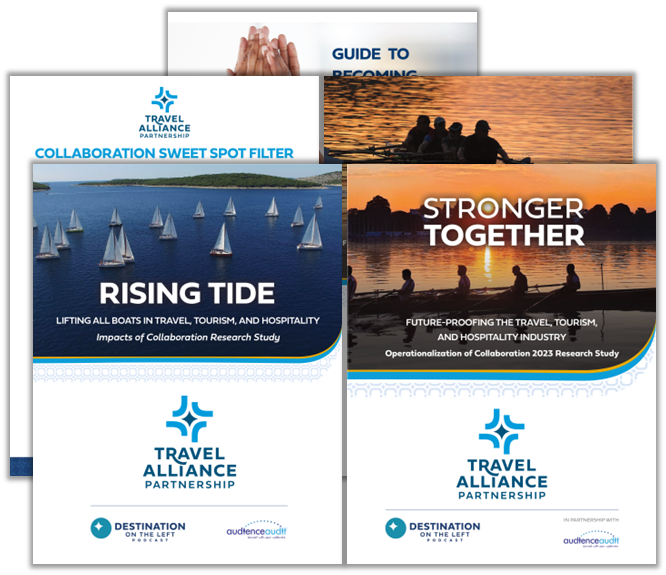
Our first research study confirmed that collaboration is a constant in the travel, tourism and hospitality industry. It is not a matter of if, but when and how, organizations will collaborate together. Our latest study reveals how organizations are putting collaboration into operation and how they are setting up systems and processes so that collaboration becomes a strategic part of the organization.
"*" indicates required fields