Tourism Marketing Blogs Turn Inspiration Into Travel
Most destination marketing organizations already have a blog. Many tourism-focused organizations and businesses do as well. But many don’t have a strategy for producing regular content. Writing a blog well takes time. It’s not always easy to keep up with, and there are so many marketing activities to keep up with. The conversation around blogging often reinforces that feeling of a task to complete: content is king, you need more content, blogs help with SEO. Those statements aren’t wrong, but they’re not very inspiring either.
And more importantly, they miss the heart of the matter.
In tourism marketing, the visitor is at the center of everything.
Content isn’t king. The visitor is.
What travelers are really looking for—whether they say it that way or not—is connection. An emotional reason to pack their bags and head out for an adventure. It’s why “visiting friends and family” is consistently one of the top reasons people travel in nearly every survey.
Travel is about experiences and relationships. Helping someone imagine that experience is where storytelling matters most, and tourism marketing blogs are a great place to tell that story.
Where Blogs Fit in the Visitor Journey
Most tourism marketing channels focus on two stages of the visitor journey: inspiration and booking.
Inspiration happens through channels like social media, PR, influencers, and advertising. These are powerful tools for sparking interest and putting a destination or attraction on someone’s radar.
Booking is the practical side. Visitors check listings, browse accommodation options, look up restaurant menus, or use trip planners to map out their stay.
But between inspiration and booking is planning. This is where travelers start asking deeper questions. Where should we go first? What are the must-do experiences? Will the kids have fun? What makes this place special? How do we spend a weekend there?
Every destination website has a “Things to Do” page. Those pages are important—they make it easy to browse attractions, restaurants, and activities. But listings treat every option equally. They don’t tell the story of the experience. That’s where tourism marketing blogs shine.
The Benefits of Tourism Marketing Blogs
Tourism marketing blogs play an important role in helping visitors move from inspiration to planning. They allow destinations and tourism businesses to go beyond listings and marketing messages, and instead tell meaningful stories about the experience of visiting.
A well-structured blog can answer common traveler questions, help visitors picture their trip, and provide a foundation for other marketing activities across different channels.
Helping Visitors Imagine the Experience
A blog allows destinations, attractions, and tour operators to paint the picture of what a visit actually feels like. Through stories, recommendations, photos, and examples, a blog can help travelers imagine their trip before they arrive.
A family might want to know how to keep the kids entertained all day without too much hassle. Couples might be searching for ideas to create a romantic getaway. Visitors with accessibility needs may want reassurance that they’ll be able to navigate the destination comfortably.
These questions are hard to find if visitors have to comb through listings, scroll through various social media posts or Google/AI chat to get their answers. But they’re exactly what a blog post can explore.
Tourism marketing blogs can show many different sides of the destination or experience, for example:
- A weekend itinerary for first-time visitors
- A guide to the most kid-friendly attractions and family-friendly restaurants
- A food lover’s tour of local restaurants
- A roundup of signature festivals and annual events
- The coziest places to stay and unwind during the winter season
- A behind-the-scenes look at a local attraction or tour
- A guide to the small details visitors might otherwise miss — local favorites, hidden spots, and insider tips
Each story helps travelers see themselves in the destination, and that makes planning easier.
Full Editorial Control
Influencers, social media posts, PR placements, and advertising can all tell a destination’s story. They play an essential role in generating awareness and inspiring visitors. But those spaces are temporary.
Algorithms change. Social posts disappear from feeds. Media coverage fades. Advertising campaigns end. A blog is different.
It’s part of your owned media—one of the few places where a destination, attraction, or tour operator can tell its story in its own words and ensure it stays accessible. Within the PESO model—paid, earned, shared, and owned media—the blog is one element in the owned category.
And today, it does even more. Search engines help travelers discover blog content through traditional SEO, while AI-powered search tools increasingly surface well-structured articles when answering travel questions. That means a thoughtful blog post can help someone discover your destination, understand the experience, and plan their visit—all in one place.
A Foundation for Repurposing Content
A blog also provides a strong foundation for repurposing content across other marketing channels.
One well-developed blog post can be adapted into multiple pieces of content. Key sections can be turned into newsletter features, social media posts, or short-form videos. Highlights from a blog can also be shared visually on platforms like Pinterest, where travelers often search for trip ideas and inspiration.
For example, itinerary-style blog posts or themed guides can easily become Pinterest pins that lead readers back to the full article. This helps extend the reach of the original content while continuing to drive traffic to your website.
The Value is in Telling the Stories
Creating tourism marketing blogs doesn’t have to be complicated. Destinations and tourism businesses already have a wealth of stories to share. The key is organizing those ideas around the experiences visitors are looking for.
That might mean highlighting local attractions, building content around specific audiences, or showcasing the unique character of a destination. Talk about the assets. Speak to the target audiences. And do it consistently.
There are always ways to refine and improve the technical side of blogging over time. But the real opportunity lies in recognizing the value of one of the richest storytelling tools available in tourism marketing.
A blog doesn’t just provide information, it helps a visitor imagine their adventure. That’s how inspiration turns into a real trip.
Author
Related Posts
Data-Driven Decision Making in Tourism
Tourism organizations have more information at their fingertips than ever before. Website analytics, visitor surveys, spending data, online reviews, and economic impact reports can all…
Collaboration Toolkit
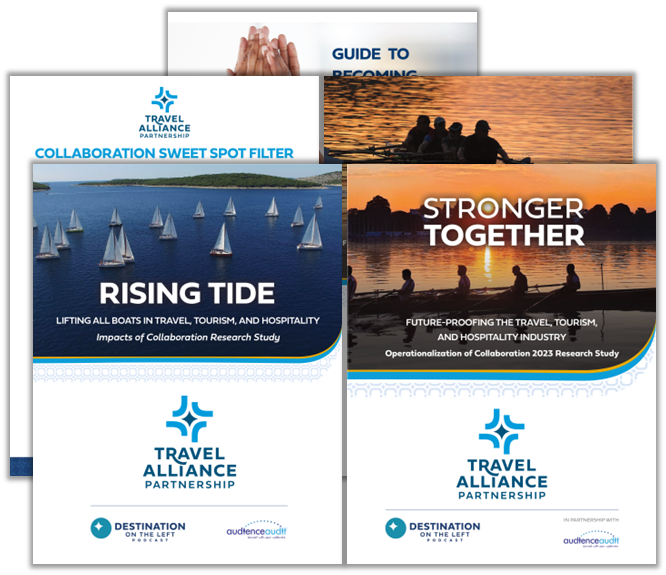
Our first research study confirmed that collaboration is a constant in the travel, tourism and hospitality industry. It is not a matter of if, but when and how, organizations will collaborate together. Our latest study reveals how organizations are putting collaboration into operation and how they are setting up systems and processes so that collaboration becomes a strategic part of the organization.
"*" indicates required fields