Finding Your “Tilt”: How to Stand Out in Tourism
Choosing a clear niche gives you or your tourism organization a stronger way to communicate your value. It helps clarify what you do especially well, who benefits most from it, and why they should pay attention.
Whether you work for a destination, run a tour company, advise travelers, or wear several hats in a small tourism business, that clarity can guide your marketing messages, content, and partnerships. In a recent episode of the Destination on the Left podcast, content marketing expert Joe Pulizzi described this focus as a “tilt”: the intersection between what you want to be known for and what a specific audience needs. Once that intersection is clear, it becomes easier to create content, build trust, and attract the right people.
Start With What You Can Credibly Own
Choosing a niche starts with an honest look at what makes you, your business, or your organization distinct. That could be a destination’s cultural story, a tour operator’s depth in a particular style of travel, or a travel advisor’s knowledge of a type of traveler, destination, or experience.
The key is to move beyond broad claims. Great food, outdoor recreation, welcoming people, and memorable experiences are valuable, but they are not necessarily differentiators on their own. Many tourism businesses can make the same statements. A useful niche identifies the particular expertise, access, perspective, or combination of experiences that you can deliver more credibly than others.
“You have this differentiation. You have this knowledge. You have this expertise, and you’re going to give that to them.” -Joe Pulizzi
Those strengths are a starting point, not the niche itself. A tour operator might become known for thoughtfully designed culinary journeys, meaningful small-group travel, or immersive educational itineraries. A travel advisor may specialize in multigenerational trips or accessible travel.
For destinations, strategic positioning provides the research, data, and strategic insights needed to uncover what they can credibly own. The next step is connecting those strengths with the people most likely to value them.
Ask What Your Audience Needs
What you can offer is only half of the equation. A niche becomes meaningful when it connects with an audience that has a clear interest, question, challenge, or aspiration.
Joe Pulizzi’s framework encourages you to consider both sides together: what you know or do especially well, and what the people you hope to reach are looking for. You may have extensive knowledge of a region, for example, but your message will differ depending on whether your audience wants adventure, cultural connection, food-focused travel, or the confidence of guided planning.
Choosing your niche means making a useful promise to a defined audience, rather than simply naming a product category. The more clearly you understand what matters to that group, the more relevant your stories, services, and recommendations can become.
Niche tourism can help organizations reach travelers with specific passions. This next step is about deciding how you can consistently show up for those travelers once you have identified that opportunity.
Use Listening Posts to Test Your Direction
A niche should be focused, but it does not need to be permanent from day one. You can try a direction, learn from audience response, and refine it over time.
Joe calls the places where you gather feedback “listening posts.” They can be as simple as conversations with clients, reviews, survey responses, newsletter replies, social media comments, or discussions with partners. Pay attention to the questions people continue to ask, what they value most, and what they associate with your business or organization.
For example, a travel advisor may discover that clients consistently seek reassurance around complex international trips. A destination may find that visitors respond especially strongly to stories about its makers, history, or outdoor access. A tour operator may hear that guests value the expertise and personality of its guides as much as the itinerary itself.
You do not need a complicated research system to learn from this feedback. Set aside regular time to review what you are hearing and look for patterns. That simple habit can reveal where your message is resonating and where it needs adjustment.
Build Trust Through Consistent, Human Content
Once you have a clear focus, content gives people a reason to come back. It allows you to demonstrate your expertise over time rather than simply claim it.
Useful and relevant content marketing helps audiences learn, feel more confident, and build a connection with a business or organization. A niche makes that content more purposeful. Instead of trying to cover every possible travel topic, you can share stories, advice, and resources that are especially valuable to the people you serve.
Consistency matters here. A single excellent article, video, or newsletter may earn attention, but trust develops when people know what to expect from you and see that you continue to deliver. Choose one or two channels and formats you can realistically maintain, rather than trying to publish everywhere.
Joe also emphasized the value of human voices, particularly as generic content becomes easier to produce. That may mean sharing your own knowledge as an advisor or business owner, featuring a guide or itinerary designer, or inviting a community partner to share their perspective. These voices help people see the experience behind the brand and build a stronger sense of trust.
Let Your Niche Create Better Partnerships
A clear niche can make collaboration more effective because it helps you recognize which people and organizations share your audience, values, or goals.
In the podcast, Joe described how partnerships helped expand the reach of the Content Marketing Institute. Rather than trying to own every conversation, the organization connected with other experts, publications, and communities that were already reaching the people it hoped to serve. The same principle applies across tourism.
Destinations can work with local businesses, attractions, guides, and community voices that help bring a distinct story to life. Tour operators can partner with organizations and experts that already have credibility with a specialized audience. Travel advisors can build relationships with trusted suppliers and community leaders who understand the needs of their clients.
This is particularly relevant for group travel. Existing communities and their leaders bring connection and trust to the travel-planning process. A clear niche helps you identify the communities that are most likely to see real value in what you offer.
Choosing your niche, or as Joe puts it, finding your “tilt,” gives the right people a clear reason to remember you, trust you, and choose to engage.
Author
Related Posts
Workforce Development Is Everyone’s Job
Since I have been working in the tourism industry, workforce development has been part of the conversation. Earlier in my career, much of the focus…
Collaboration Toolkit
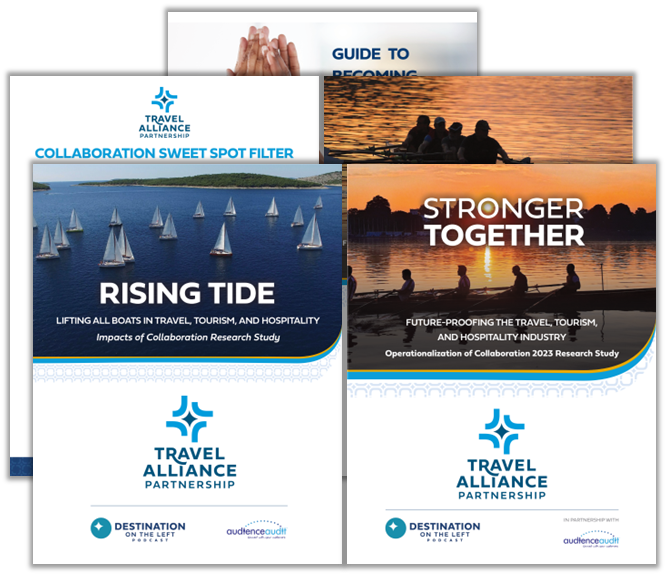
Our first research study confirmed that collaboration is a constant in the travel, tourism and hospitality industry. It is not a matter of if, but when and how, organizations will collaborate together. Our latest study reveals how organizations are putting collaboration into operation and how they are setting up systems and processes so that collaboration becomes a strategic part of the organization.
"*" indicates required fields