Data-Driven Decision Making in Tourism
Tourism organizations have more information at their fingertips than ever before. Website analytics, visitor surveys, spending data, online reviews, and economic impact reports can all help us learn more about travelers and the choices they make. But with so much information coming in, it can be hard to know where to focus.
During a recent Travel Alliance Partnership (TAP) Community Conversation, From Data to Decision: Finding the Insights That Matter, industry leaders explored how tourism organizations can move beyond reporting numbers and start using information to make better decisions. The discussion brought together different perspectives on how data can help shape tourism strategies, improve visitor experiences, and guide future planning.
One message came through clearly: knowing which information matters and how to put it to use is what makes data valuable.
Start with the Decision, Not the Data
It’s easy to get caught up in reports, dashboards, and numbers without stopping to ask what we’re trying to accomplish. We might know how many people visited a website or how much travelers spent last month, but what do those numbers tell us about what we should do next?
James Sauter, co-founder of Rove, encouraged tourism organizations to shift their thinking away from reporting for the sake of reporting. Instead of beginning with the data, he recommends identifying the organization’s challenges and objectives, then determining which questions need to be answered. Starting with a clear question makes it easier to identify the information that will be most useful.
You Don’t Need to Be a Data Expert to Ask Better Questions
For smaller organizations, this approach is especially valuable. Todd Aaronson, CEO of Visit Modesto, explained that his lean team doesn’t have a dedicated data analyst. Instead, they draw on several types of information to guide their marketing decisions. They look at past results, website activity, visitor spending, advertising performance, and current travel trends to get a clearer picture of what’s happening.
They don’t have the time or resources to study every number. Instead, they focus on what they can learn and how to put that information to work.
Frida Bahja, Director of Research at Experience Kissimmee, agreed that you don’t need advanced training to start making better use of data. Having someone with research experience can certainly help, especially when the questions become more complex. But everyone can start by asking better questions and being more thoughtful about the information they use.
Look Beyond the Numbers to Understand Visitor Behavior
Knowing how many visitors arrived, which advertisements performed well, or how much travelers spent provides an important starting point. But those numbers become more valuable when organizations begin exploring the reasons behind them.
Frida emphasized the importance of understanding not just what visitors are doing, but why they’re making certain choices. That knowledge helps the organization make better marketing decisions, but it can also lead to new ideas for what a destination can offer.
Connecting Insights to Better Visitor Experiences
At Experience Kissimmee, research into visitor interests and travel trends helped shape plans for a Latin Culinary Trail. It’s an example of how data can do more than tell us what happened in the past. It can help destinations find new ways to connect visitors with local experiences.
Sandra Shannon, CEO of GateMaster Technology, shared how attractions can use information about purchasing habits to make the guest experience better. For example, an attraction might notice opportunities to offer ticket packages that include food, retail, or other activities. Giving visitors those choices upfront can make planning easier and help them get more value from their visit.
Todd shared another example from his region in Central California. By looking at where overnight visitors spend money, his team learned that grocery stores are an important stop for many travelers. That creates an opportunity to work with grocery stores as tourism partners, especially for visitors passing through on their way to other destinations.
These examples show why it’s worth looking at the whole visitor experience rather than focusing on one purchase or interaction. The more we understand what travelers need and value, the better we can serve them.
Better Insights Come from Connecting Information and People
Even when organizations collect useful information, it doesn’t always get shared with the people who could benefit from it.
A marketing team might know which campaigns are bringing visitors to its website, while another department is planning a new program without seeing those results. Both teams could make better decisions if they had a chance to compare what they’re learning.
Frida pointed out that this happens often, even in organizations that place a high value on research. At Experience Kissimmee, her team works to share information across departments and with community partners so that it can support more than one part of the organization’s work.
Collaboration Makes Data More Valuable
Sharing information can be just as helpful between tourism organizations as it is within them. Destinations, attractions, hotels, and other partners each see different parts of the visitor experience. Bringing those perspectives together can help everyone see the bigger picture.
Todd described how rural destinations in California are looking at ways to purchase data together. Some smaller organizations can’t afford certain research tools on their own. Sharing the cost could give more destinations access to information they can use.
Frida also encouraged attractions and other tourism businesses to connect with their local destination marketing organizations. Many DMOs already have research and market information that could help their partners understand visitor trends, plan programs, or make business decisions.
The lesson is that better use of data doesn’t always require buying another tool. Sometimes it starts with a conversation and a willingness to share what we already know.
Use Data with Curiosity, Context, and a Healthy Dose of Judgment
Data can tell us a lot, but it doesn’t always tell us the whole story. Numbers can be incomplete, information can contain errors, and what happened last year may not reflect what’s happening today.
James reminded the group that no data source is perfect. When something looks unusual, it’s important to ask questions rather than assume the numbers must be right. Comparing information from different sources and talking with people who know the destination can help explain what we’re seeing.
Finding the Story Behind the Data
James shared an example of how looking at several types of data revealed a challenge within a destination. His team compared visitor reviews, hotel pricing, and spending patterns. They found that accommodations were taking up a large share of travelers’ budgets. At the same time, attractions were receiving strong marks for the value they offered.
Looking at those findings together raised a bigger question. How could the destination help visitors feel they were getting better value from their overall trip while also supporting local attractions?
Sandra offered another practical example. When an attraction receives several negative reviews, those comments don’t necessarily tell the full story. By looking at what was happening on those particular days, such as bad weather or changes in operations, the team may be able to identify what went wrong and how to prevent similar problems.
AI can help sort through large numbers of reviews and spot common themes, making that work much easier. But it’s still up to people to understand what the information means and decide how to respond.
That’s an important part of using data well. Numbers can point us in the right direction, but experience, local knowledge, and good judgment help us decide what to do next.
The Future of Tourism Data Is About Better Decisions, Not More Dashboards
As technology improves, tourism organizations will have more ways to learn from the information they collect. AI is already making it easier to review large amounts of data, find patterns, and answer questions that once took much more time.
The panelists were excited about those possibilities, but they also stressed the need to be thoughtful about how new tools are used. Frida shared the importance of having clear guidelines for AI, especially when working with information that shouldn’t be shared outside an organization.
The conversation also touched on how the role of researchers may change. As technology takes on more of the work involved in gathering and organizing data, researchers can spend more time helping teams understand what they’re learning and what it means for their next decisions.
Ultimately, the future of data-driven decision making in tourism is much more than fancy dashboards. It’s about creating a culture where people ask thoughtful questions, share what they learn, and use those insights to make decisions that strengthen their organizations and communities.
The opportunity is to spend less time simply measuring what’s happening and more time shaping what happens next.
Author
Related Posts
How Agritourism Is Creating Meaningful Connections Through Food, Farm, and Place
There is something powerful about pulling a carrot from the ground, tasting a berry where it was grown or sitting down to a meal surrounded…
How to Turn Destination Stewardship Into a Visitor Experience
When we discuss destination stewardship, it often starts behind the scenes, with a focus on protecting natural resources, preserving cultural traditions, supporting residents, and thinking…
Collaboration Toolkit
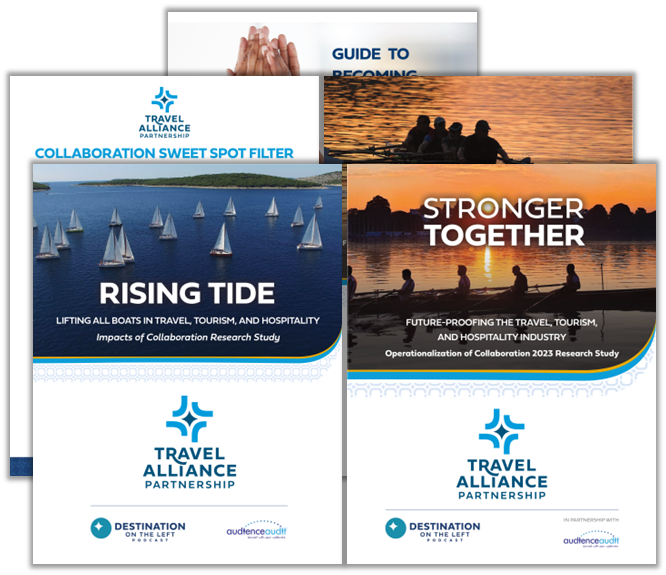
Our first research study confirmed that collaboration is a constant in the travel, tourism and hospitality industry. It is not a matter of if, but when and how, organizations will collaborate together. Our latest study reveals how organizations are putting collaboration into operation and how they are setting up systems and processes so that collaboration becomes a strategic part of the organization.
"*" indicates required fields