Choosing the Right Social Media Platforms for Tourism Marketing
Utilizing social media platforms for tourism marketing is rarely just about posting consistently or having the prettiest or most cohesive visuals. It is about showing up in the right places, with the right kind of content for the people who are most likely to care.
That sounds simple, but platform choice can get overwhelming fast. A destination hears that TikTok is driving discovery with a flashy new trend. An attraction sees competitors leaning into Instagram Reels. A tour operator wonders whether Facebook still matters. Before long, the question becomes “Should we be everywhere?”
A better question is, “Where does our audience actually spend their time, and what are they trying to do while they’re there?” That audience-first thinking is central to building a strong social media strategy, from platform selection to content planning.
This question is the foundation for choosing the right social media platform for you. Facebook, Instagram, TikTok, and plenty of other platforms can all play valuable roles, but they do not serve the same purpose. The strongest social media strategies match platform strengths to audience behavior, the visitor journey, and the kind of content a brand can consistently create.
Why Platform Choice Should Start With the Audience
According to the PESO model, a strategic framework developed by Gini Dietrich, founder, author and CEO of Spin Sucks, organic social media is framed as part of shared media: content distributed on third-party platforms where audiences can interact, respond, and participate with the brand.
That distinction matters because social media is not just a broadcast channel. It is a conversation that can shape perception, build trust, and influence real travel decisions over time.
This also means platform choice shouldn’t start with hype. A brand does not need to be on a platform simply because that platform is growing, trending, or getting attention in industry conversations. It needs to be there because the right audience is there and because the platform supports the brand’s goals. Once those platforms are chosen, content pillars can help tourism brands keep their social media posts balanced, intentional, and aligned with audience needs.
Trends and audience demographics are part of that conversation, but they are not the whole picture. Pew Research Center’s 2025 social media research shows that Facebook remains widely used among U.S. adults, Instagram reaches a large share of adults, and TikTok has continued to grow, especially with younger users. Those patterns are helpful, but tourism marketers also need to ask how people use each platform.
Are they planning a family weekend or romantic getaway? Watching short videos for travel inspo? The answer should shape where a brand invests its time.
Facebook, Instagram, and TikTok: The 3 Biggest Social Media Platforms for Tourism Marketing
Facebook for Planners, Communities, and Practical Travel Decisions
Facebook may not feel like the newest platform on the block, but it still plays an important role in tourism marketing. Facebook is positioned strongest for planners, parents, communities, and long-term audience relationships.
That makes Facebook feel especially useful for brands that need to share practical information. Tourism marketers can promote seasonal guides, upcoming events, new business offerings, and community engagement. Festivals and events can benefit from Facebook’s event tools, sharing behavior, and local conversation.
Facebook also works well when the travel decision involves coordination. A parent planning a family trip, a group organizer choosing a destination, or a local resident recommending an event may all use Facebook differently than they use Instagram or TikTok. They may be looking for booking information, details, links and reviews, and more.
Facebook content should be useful and easy to act on. A post about a fall festival should not only feature a beautiful photo; it should make the next step clear. Where is it? When does it happen? What should visitors know before they go? What link helps them plan?
Instagram for Inspiration, Visual Storytelling, and Experience Seekers
If Facebook often supports planning, Instagram is where brands can make people want the experience in the first place. Instagram is visual-first, aspirational, and especially strong for aesthetic lovers and experience seekers.
That makes Instagram a natural fit for destinations, attractions, hotels, restaurants, outdoor recreation, arts and culture, and any tourism experience with strong visual appeal. A golden-hour overlook, a beautifully plated meal, a walkable downtown, a cozy inn, or a behind-the-scenes museum moment can all help people picture themselves there.
But Instagram is not just a gallery. Reels can show the feeling of an experience. Carousels can build mini-itineraries, seasonal guides, or “save this for later” planning content. Stories can support timely updates, polls, partner shares, and quick reminders. Learn how to make these features work for your brand’s goals.
The best Instagram posts often blend inspiration with information. For example, a Reel might open with a striking visual hook, but the caption should still help the viewer understand what they are seeing and why it matters. A carousel might begin with a beautiful destination image, then guide the viewer through where to eat, what to do, and how to plan a visit.
This is where strong asset libraries become especially valuable. Make sure you have a visually cohesive collection of high-quality photos and videos that support not only social media, but every facet of your marketing – emails, guides, website, ads, and more. For tourism brands with limited visual assets, Instagram can still work, but consistency becomes harder.
TikTok for Discovery, Personality, and Viral Travel Moments
TikTok plays a different role in the tourism marketing mix. It is less about polished perfection and more about discovery, personality, usefulness, and entertainment. Because of the fast-paced nature of the platform, TikTok users will scroll quickly if content is not engaging from the start.
That can be intimidating for tourism brands, but it is also what makes TikTok powerful. A surprising attraction, a hidden gem, a quirky local story, a scenic trail, or a “things you didn’t know you could do here” video can reach people who were not already searching for that destination.
TikTok can be especially valuable for tourism businesses trying to build awareness with younger audiences or introduce a place in a fresh way. It rewards content that feels human and platform-native. That does not always mean a tourism brand needs to jump on every trend, but it does mean the content should feel like it belongs there.
Before investing heavily in TikTok, tourism brands should be honest about capacity. Here are some key questions to ask yourself:
- Do you have access to video?
- Can you post consistently?
- Is someone comfortable capturing short-form content?
- Can you show personality while staying on voice?
- Can you respond quickly enough to trends, comments, or seasonal opportunities?
Virality is exciting, but it should not be the whole strategy. TikTok works best when discovery connects back to a larger content ecosystem. A traveler may first encounter a destination through a short video, then look for more information on Instagram, Facebook, Google, or the destination’s website. In that sense, TikTok can open the door, but the rest of the marketing strategy still needs do the lifting to help visitors through it.
Supporting and Niche Platforms Still Have a Role
Facebook, Instagram, and TikTok often get the most attention, but they are not the only social media platforms for tourism marketing. Additional platforms can be useful when they serve a clear audience or content purpose.
LinkedIn, for example, may not be the first choice for leisure travel inspiration, but it can matter for tourism organizations focused on industry partners, donors, board members, economic development, advocacy, or B2B relationships.
YouTube can support longer-form storytelling, evergreen search, destination videos, webinars, and trip-planning content. Pinterest can be useful for itinerary inspiration, wedding travel, food trails, seasonal travel ideas, and other planning-friendly content. Threads, X, and Bluesky may be more text-forward or conversation-driven, which can make them relevant for specific news, advocacy, partner, or niche community goals.
The key is focus. A platform mix should expand because there is a strategic reason, not because a team feels pressure to be everywhere. Every additional platform requires content, monitoring, engagement, and measurement. Without that commitment, brands risk spreading effort too thin.
Build the Platform Mix Around the Visitor Journey
The best strategy is not always about choosing one winner. It is about understanding what each platform can do for the visitor journey.
TikTok may introduce someone to a destination they had never considered. Instagram may help them imagine the experience and save ideas for later. Facebook may help them confirm details, find events, ask questions, and share plans with others. A niche platform may support a specific audience relationship that does not fit neatly into the big three.
That is why choosing the right social media platforms for tourism marketing should always come back to audience behavior. Who are you trying to reach? What stage of planning are they in? What do they need from you in that moment? And what kind of content can your team create well and consistently?
When you answer those questions first, social media becomes more than a posting schedule or another platform to manage. It becomes a practical way to build trust, make places feel accessible, turn audiences into planners, and turn visitors into advocates.
Author
Related Posts
Data-Driven Decision Making in Tourism
Tourism organizations have more information at their fingertips than ever before. Website analytics, visitor surveys, spending data, online reviews, and economic impact reports can all…
Collaboration Toolkit
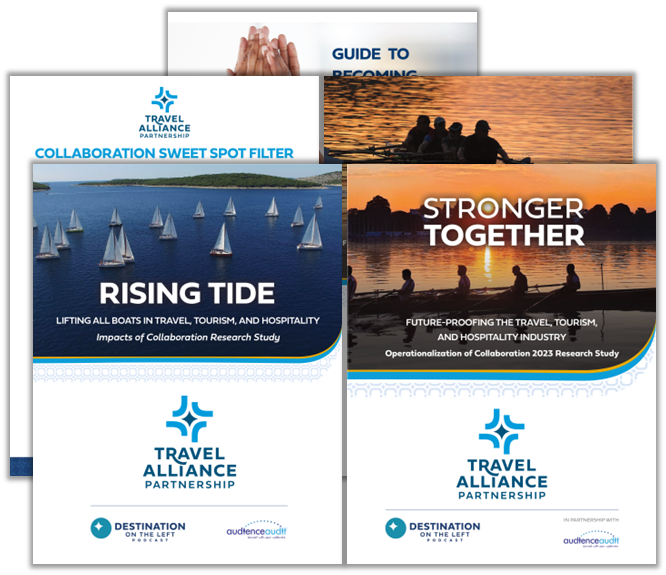
Our first research study confirmed that collaboration is a constant in the travel, tourism and hospitality industry. It is not a matter of if, but when and how, organizations will collaborate together. Our latest study reveals how organizations are putting collaboration into operation and how they are setting up systems and processes so that collaboration becomes a strategic part of the organization.
"*" indicates required fields